Buying in South Pinellas can feel simple at first. You see a condo, a townhome, or a home in a planned community, and it all looks straightforward. But in Florida, the legal structure behind the property matters just as much as the layout, because it affects what you own, what you pay for, what the association maintains, and what your lender will want to review. If you want fewer surprises after you go under contract, this guide will help you understand the basics and ask smarter questions early. Let’s dive in.
Why legal structure matters
In South Pinellas, two properties can look almost identical and still work very differently. A townhome-style property might be a condominium, or it might be a parcel in a homeowners’ association.
That difference shapes your ownership rights, monthly costs, insurance needs, maintenance responsibilities, and resale process. It can also affect whether a lender needs to review building-level documents, budgets, reserves, or inspection reports before approving your loan.
Condo vs HOA ownership
What you own in a condo
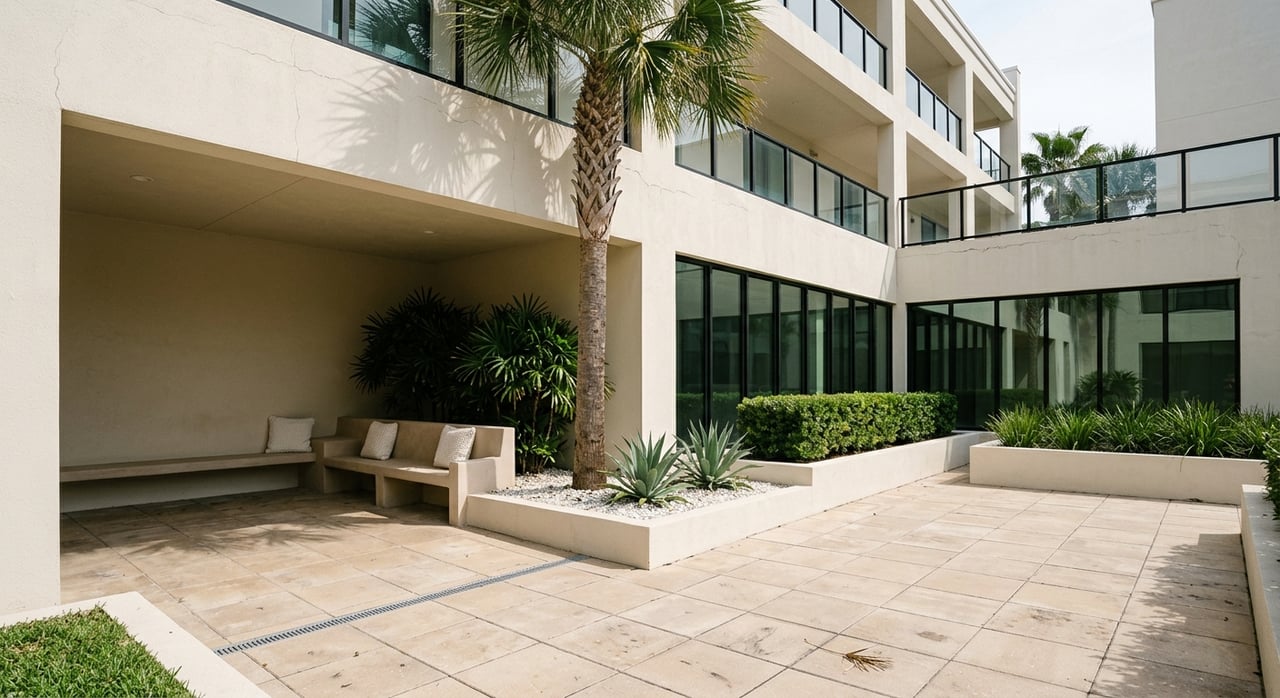
A condominium is a form of real property made up of units and common elements. You own your individual unit, while the condominium association operates the property and maintains common elements such as pools, elevators, and other shared facilities.
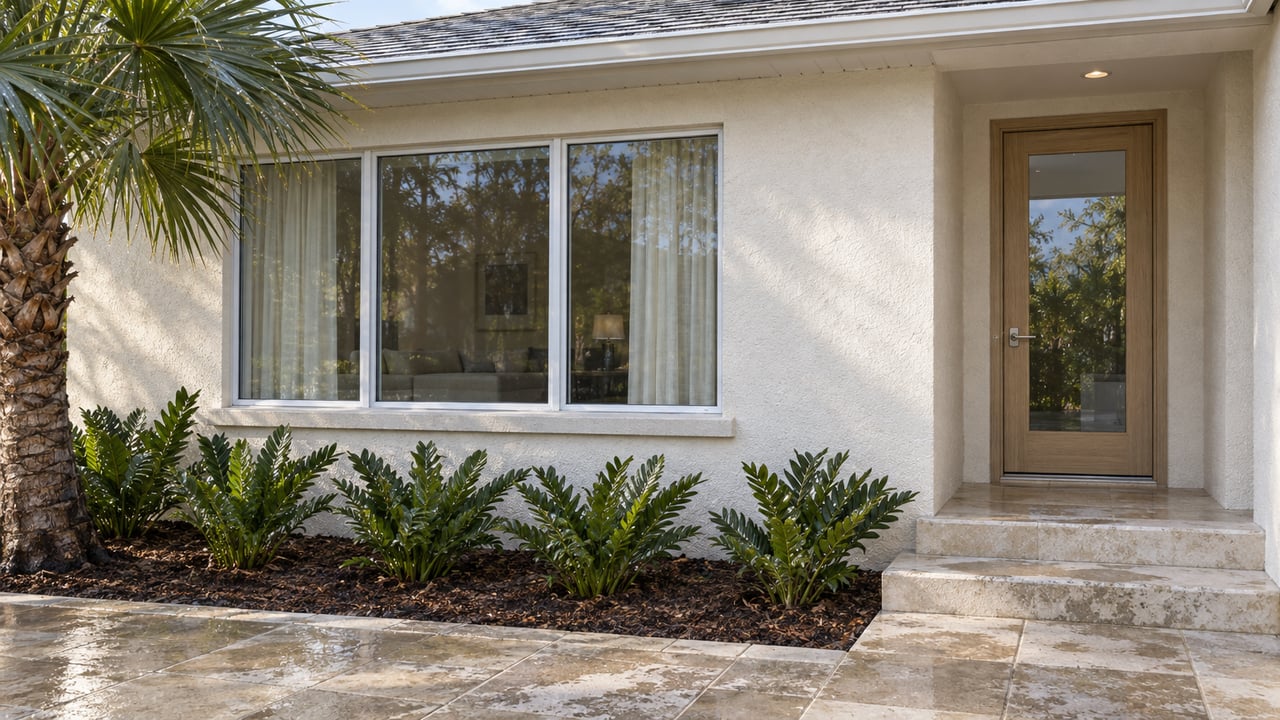
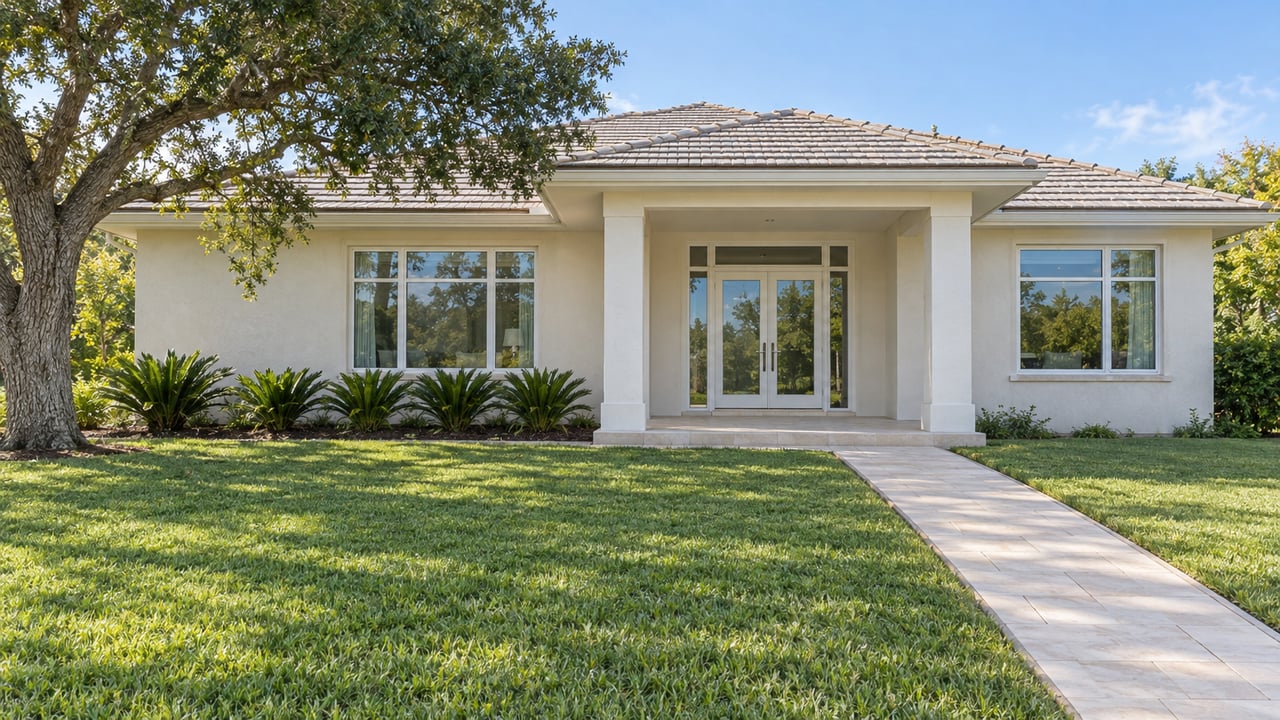
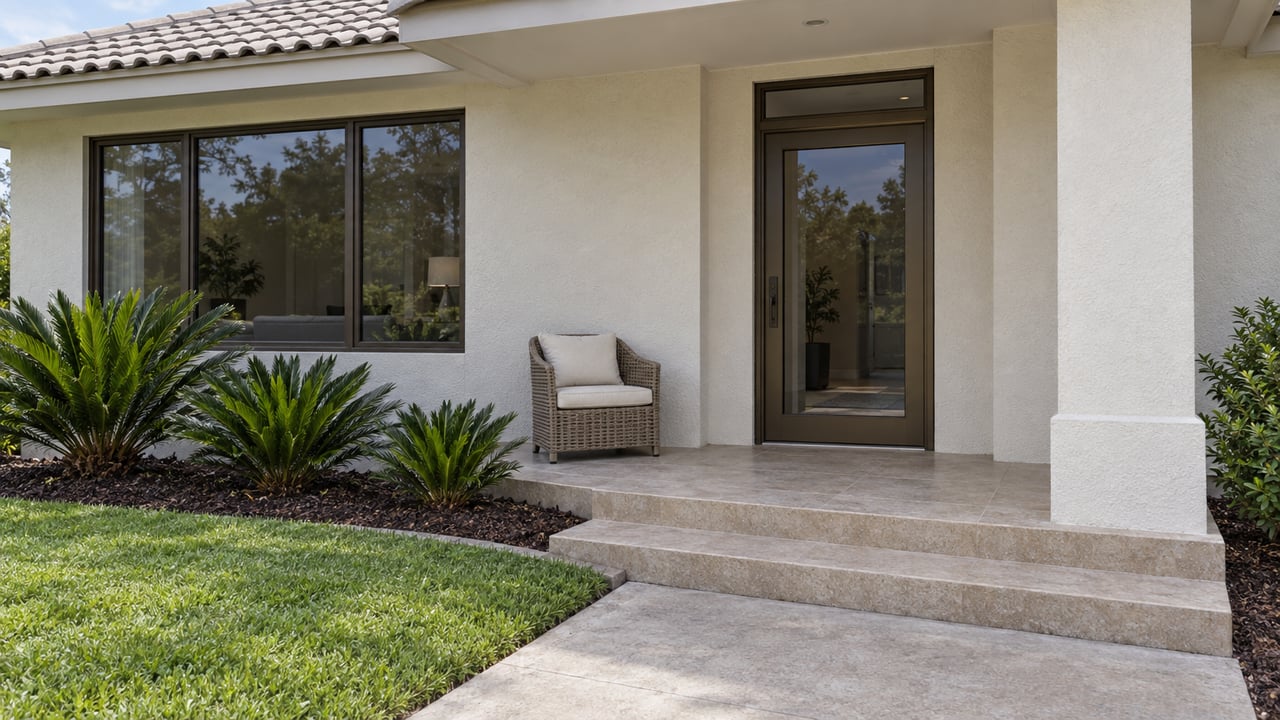
In Florida, condos are not limited to one building style. A condo can be found in a garden-style complex, a row of attached homes, or even a single-family-home format, which is why appearance alone does not tell you how the property is legally structured.
What you own in an HOA
In a Florida homeowners’ association, ownership is parcel-based. Membership in the HOA is mandatory when you own a parcel in the community, and the governing documents set out the rules, obligations, and assessments.
If assessments are not paid, they can become a lien against the parcel. That is one reason it is important to review the community documents carefully before you commit.
Why the difference affects buyers
The condo-versus-HOA question is not just legal fine print. It can change who handles exterior maintenance, how insurance is split between owner and association, what reserve funding looks like, and what documents your lender may require.
If you are relocating to Florida or buying from out of state, this is one of the easiest details to miss. A local review early in the process can save time and reduce stress.
What your monthly costs may include
Fees are part of the real payment
Monthly affordability is not just your mortgage. Condo and HOA dues are usually paid separately from the monthly mortgage payment, so you need to budget for them as part of your true housing cost.
Depending on the community, dues can be a few hundred dollars per month or more than $1,000. Before you fall in love with a property, make sure you know the current fee and exactly what it covers.
Condo budgets and assessments
For condominiums, common expenses can include the operation, maintenance, repair, replacement, or protection of common elements and association property. Those costs are collected through assessments according to the shares laid out in the condo declaration.
Florida law also requires annual budgets and annual financial reporting for condominiums. That means buyers should review not just the fee amount, but also how the association is planning for current and future expenses.
HOA reserves and special assessment risk
HOA communities can also maintain reserve accounts, but Florida law allows parcel owners to vote for no reserves or less reserves than would otherwise be required. If reserves are not fully funded, capital repair needs may later lead to special assessments.
That does not automatically mean a community is unhealthy, but it does mean you should ask direct questions. A low monthly fee may look attractive at first, yet it can come with more future cost risk.
Reserve studies and inspections in Florida
Why reserve planning matters now
Reserve planning has become a major topic in Florida condominium communities. For residential condominiums that are three habitable stories or higher, structural integrity reserve study rules apply, and owner-controlled associations existing on or before July 1, 2022, were required to complete the study by December 31, 2025.
Florida law treats milestone inspections and structural integrity reserve studies as separate requirements. As a buyer, that means you should not assume one report answers every question about building condition or future costs.
What to ask the association
If you are considering a condo in South Pinellas, ask whether the building is subject to these requirements and whether the reports are complete. You should also ask if any current or proposed special assessments are tied to repairs, reserve funding, or inspection findings.
These are not small details. They can affect your short-term budget, long-term ownership costs, and lender approval.
Insurance and flood questions in Pinellas County
Condo insurance is usually shared
In many condominium communities, association fees help cover master insurance for common areas. That does not replace your own policy, because unit owners still need their own insurance for the unit.
Depending on the property and loan program, you may hear about walls-in coverage, hazard insurance, and flood insurance documentation. This is worth reviewing early with your lender and insurance professional.
Flood risk deserves early attention
In Pinellas County, flood questions should never wait until the last minute. County guidance says everyone in Pinellas County is in a flood zone, and it also notes that flood zones and evacuation zones are different.
Pinellas County further states that high-risk areas with federally backed mortgages require flood insurance by law, and that most homeowners and renters policies do not cover flood damage. For South Pinellas buyers, flood exposure is not a side note. It is a core part of your budgeting and risk review.
Rules and maintenance responsibilities
Condo maintenance can be broader
In condominiums, the association is responsible for maintaining the common elements unless the declaration assigns some limited common-element maintenance to the unit owner. Florida law also allows the association access to units when needed for maintenance, repair, replacement, or to prevent damage.
That means your responsibilities may stop at different points than they would in an HOA-governed parcel community. The exact line depends on the governing documents, not just on what the property looks like from the street.
Common restrictions to review
Condo living often comes with rules on pets, rentals, guests, parking, amenity use, and alterations. HOA communities can also enforce rules through their governing documents and Florida law.
Before you remove contingencies, ask what restrictions apply to the way you plan to use the property. This matters whether you are a full-time buyer, a seasonal resident, or an investor looking at long-term hold potential.
South Pinellas storm and rebuilding concerns
Storm history and rebuilding rules should be part of your due diligence. In unincorporated Pinellas County, condo and townhome buildings in flood-hazard areas are evaluated building by building for substantial damage.
The county uses a 49% of building value threshold when deciding whether repairs can proceed without full code compliance. If you are buying an older condo or townhome, especially in an area with storm exposure, it is smart to ask about prior damage, repairs, and any unresolved building issues.
Documents to review before you commit
Condo document checklist
If you are buying a condominium, ask for:
- The declaration
- Articles of incorporation
- Bylaws
- Rules and regulations
- The most recent annual financial statement
- The annual budget
- If applicable, the inspector-prepared summary of the milestone inspection report
- The most recent structural integrity reserve study
These documents help you understand fees, maintenance obligations, building condition, and the association’s financial position.
HOA document checklist
If you are buying in an HOA community, ask for:
- The disclosure summary
- The covenants
- The annual budget or financial report
- An estoppel certificate showing account status, open violations, and other amounts due
These records can reveal restrictions, financial patterns, and whether there are outstanding issues tied to the property.
Questions to ask your lender and attorney
Lender questions
Ask your lender whether the project qualifies under your intended loan program, such as FHA, Freddie Mac, or another option. Project-level review may consider insurance coverage, financial condition, project completeness, legal issues or property condition, ownership structure, owner occupancy, and units in arrears.
Even if you are well qualified as a borrower, the project itself can still create financing hurdles. That is why it helps to verify lender fit before you get too far into the process.
Attorney review questions
If the documents are hard to interpret, ask an attorney to review the declaration, budget, inspection reports, and any current or proposed assessments before you waive contingencies. Florida law gives buyers voidability rights if required condo or HOA disclosures are not delivered on time.
This step can be especially valuable if you are buying remotely, purchasing in an older building, or comparing several communities with very different fee and maintenance structures.
A simple buyer checklist
Before you move forward with a South Pinellas condo or HOA property, ask:
- What is the monthly fee?
- What does the fee cover?
- Are reserves fully funded?
- Is a special assessment planned?
- Is there any litigation history?
- Is there a rental cap?
- Who maintains the roof, exterior walls, windows, and hurricane protection?
- Is flood insurance required for the building or the unit?
When you ask these questions upfront, you are far more likely to make a confident decision based on the full picture, not just the listing photos.
Bottom line for South Pinellas buyers
The biggest difference between a condo and an HOA property is legal structure. Condos divide ownership between your unit and shared common elements, while HOA communities are parcel-based and governed by recorded covenants.
For South Pinellas buyers, the smartest approach is document-first. Verify the rules, financial health, inspection status, insurance setup, flood exposure, and lender eligibility before you get emotionally attached to the property.
If you want a calm, informed buying experience in Pinellas County, working with a local agent who understands these details can make the process much easier. When you are ready to compare communities, review documents, and narrow down the right fit, connect with Michele Ranjbar.
FAQs
What is the difference between a condo and an HOA in South Pinellas?
- A condo gives you ownership of a unit plus shared access to common elements, while an HOA community is parcel-based and governed by community covenants and rules.
What do condo fees usually cover in Pinellas County?
- Condo fees often help cover the operation, maintenance, repair, replacement, or protection of common elements and association property, but you should always confirm the specific coverage with the association documents.
Do condo or HOA dues go into your mortgage payment?
- Usually no. Condo and HOA dues are typically paid separately from your monthly mortgage payment, so they should be included in your total housing budget.
Why do South Pinellas buyers need to ask about flood insurance?
- Pinellas County says everyone in the county is in a flood zone, and most homeowners and renters policies do not cover flood damage, so flood risk and insurance costs should be reviewed early.
What documents should a South Pinellas condo buyer review?
- A condo buyer should review the declaration, articles, bylaws, rules, annual financial statement, annual budget, and, when applicable, milestone inspection and structural integrity reserve study documents.
When should a South Pinellas buyer ask an attorney to review HOA or condo documents?
- You should consider attorney review before waiving contingencies if the documents are confusing or if you need clarity on restrictions, budgets, inspections, or special assessments.