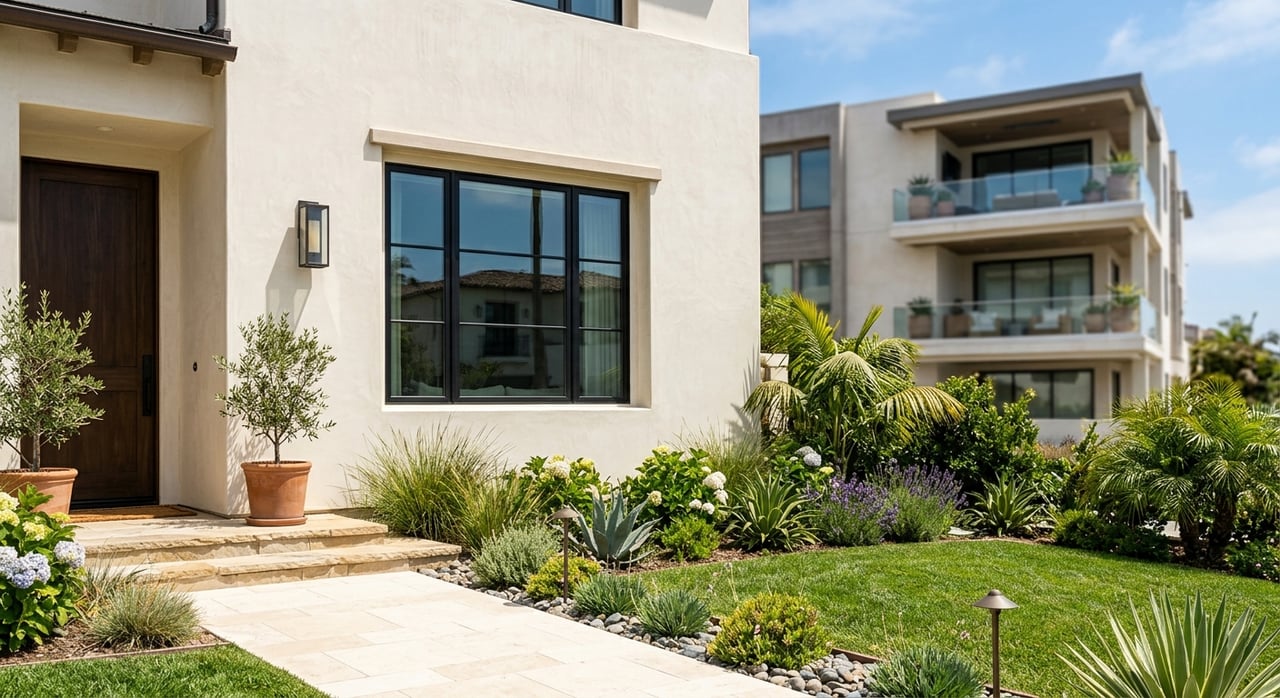
Buying in South Pinellas often starts with a simple question: should you choose a condo or a single-family home? The answer can feel tricky because this part of Pinellas County includes everything from downtown high-rise living to older mainland neighborhoods and barrier-island communities. If you are weighing lifestyle, maintenance, insurance, and long-term flexibility, this guide will help you sort through the trade-offs and decide what fits your goals best. Let’s dive in.
Why South Pinellas Makes This Choice Different
South Pinellas is not a one-size-fits-all market. Pinellas County has 590 miles of highly developed coastline and is only 15 miles across at its widest point, which means water, density, and storm exposure shape housing choices in a very real way.
You can see that variety across local communities. Downtown St. Petersburg is the clearest example of vertical living, with high-rise buildings, mixed-use areas, and both high- and low-rise apartments. Historic Kenwood offers a very different pattern, known for its Craftsman bungalows, while Gulfport features a waterfront district, tree-covered streets, and colorful homes and buildings.
That range matters because the condo-versus-house decision is not just about square footage or purchase price. In South Pinellas, it is also about maintenance responsibility, flood and insurance exposure, local rules, and how you plan to use the property over time.
Condo Living in South Pinellas
A condo can be appealing if you want a lower-maintenance lifestyle. Under Florida condominium law, the association is generally responsible for maintaining the common elements, unless the condo declaration assigns certain limited common elements to unit owners.
In everyday terms, that often means you may spend less time worrying about exterior upkeep, shared grounds, or building amenities. That can be especially attractive if you are a seasonal resident, travel often, or simply want a more lock-and-leave setup.
This housing style fits naturally in parts of South Pinellas. Downtown St. Petersburg offers a clear vertical-living option, and barrier-island areas like St. Pete Beach also draw buyers who want easier seasonal use.
What condo ownership usually includes
While every community is different, condo ownership often comes with a few common themes:
- Association-managed common areas
- Monthly dues that help fund maintenance and reserves
- Shared amenities in some buildings or communities
- Rules set by the board and governing documents
- Financial exposure to special assessments in some cases
Those features can make ownership feel more predictable in some ways, but they also mean your decision should go beyond the unit itself.
Condo insurance and cost structure
Florida insurance guidance says condo coverage is usually walls-in coverage. Your HO-6 policy typically covers personal property and certain interior items, while the association master policy generally covers the exterior structure and common areas.
That setup can surprise buyers who assume the association covers everything. It does not. You still need to understand your own insurance needs, and you also need to know that associations may assess owners for common-area damage if insurance or reserves are not enough.
This is one reason condo monthly costs can be more complex than they first appear. Your payment picture may include dues, reserves, insurance, and the possibility of special assessments.
Single-Family Homes in South Pinellas
A single-family home often gives you more direct control over the property. You are usually making more of the day-to-day decisions about maintenance, repairs, and exterior improvements.
That extra control can be a strong advantage if you want more privacy, more storage, a yard, or a home that feels more independent. In South Pinellas, this can line up well with older mainland neighborhoods and smaller-scale residential pockets.
Historic Kenwood is one local example of a classic neighborhood pattern with standalone homes. Gulfport also reflects a smaller-scale housing style in many areas, with its colorful homes and tree-covered streets.
What house ownership usually includes
Single-family ownership often comes with a different set of responsibilities:
- Exterior maintenance is usually your responsibility
- Roof, yard, and structural upkeep are more directly on you
- Insurance needs may be broader than condo walls-in coverage
- You may have more flexibility depending on the neighborhood
- You may still be subject to HOA rules in some communities
That last point matters. Many buyers assume a house automatically means fewer rules, but that is not always true.
A house is not always rule-free
Florida HOA law allows associations to govern parcel owners and enforce their governing documents. It also authorizes architectural control covenants for exterior changes when those powers are included in the declaration or authorized standards.
So if you are comparing a condo with a single-family home in a planned community, make sure you review the rules carefully in both cases. The property type changes the structure of ownership, but it does not automatically eliminate oversight.
Maintenance: Convenience Versus Control
For many buyers, this is the core trade-off. A condo usually offers less personal responsibility for exterior maintenance because the association handles common elements. A single-family home usually gives you more control, but it also puts more upkeep directly on your list.
Neither option is better across the board. It depends on how hands-on you want to be and how much predictability you want in your monthly ownership costs.
If you are a snowbird or frequent traveler, a condo may feel easier to manage. If you enjoy having space to modify and maintain on your own schedule, a house may be a better fit.
Flood, Wind, and Insurance Matter for Both
In South Pinellas, insurance should be part of your decision from the beginning. Florida’s insurance regulator says most homeowners and business policies do not cover flooding, and flood insurance is available for homeowners, condo unit owners, renters, and businesses.
Pinellas County also says everyone in the county is in a flood zone, and flood insurance is recommended even when a lender does not require it. That is true whether you are looking at a condo near the water or a single-family home farther inland.
Because South Pinellas includes barrier-island areas, urban waterfronts, and older mainland neighborhoods, your exact exposure can vary by property. The key takeaway is simple: do not treat flood and wind planning as an afterthought.
Condo Due Diligence Is Especially Important
If you are buying a condo, document review is essential. Florida condo laws now place strong emphasis on building safety and financial transparency, especially for residential condo and co-op buildings that are three or more habitable stories.
The Florida Department of Business and Professional Regulation says these buildings are subject to milestone inspections at 30 years of age, or 25 years in some local circumstances. It also says structural integrity reserve studies are a separate requirement for buildings that are three stories or higher.
Just as important, DBPR says inspection reports and reserve studies are part of the official records and must be provided to potential purchasers. That means buyers have access to important information, but you still need to review it carefully.
Key condo documents to review
Before making an offer on a condo, review:
- The declaration
- The bylaws
- The current budget
- Reserve status
- Milestone inspection report, if applicable
- Structural integrity reserve study, if applicable
- Lease restrictions
- Any pending special assessments
Florida law also allows condo reserves to be funded through regular assessments, special assessments, lines of credit, or loans. So even a well-run older building may carry meaningful monthly dues, and that is not always a red flag by itself.
How Your Intended Use Changes the Answer
The right property type often depends on how you plan to use it.
If this will be your primary residence
Both condos and single-family homes can work as a primary home. In Pinellas County, a property may qualify for homestead exemption only if you are a bona fide Florida resident living in the dwelling and making it your permanent home on January 1.
The exemption can be lost if the property is rented or otherwise no longer used as your homestead. So the tax benefit depends on actual residency, not whether the property is a condo or a house.
If this will be your seasonal home
South Pinellas is well suited to seasonal ownership, especially in beach communities. St. Pete Beach says nearly 28% of its homes and condos are owned by people whose primary residence is elsewhere.
That helps explain why condos are often popular with snowbirds. The lock-and-leave appeal can pair well with barrier-island living, but you still need to budget for dues, insurance, flood exposure, and possible assessments.
If this will be an investment property
Condos can appeal to investors because common-area maintenance is largely handled by the association. At the same time, lease restrictions, building rules, and special-assessment risk can affect returns.
Single-family homes may offer more flexibility and appeal to a broader range of renters in some neighborhoods, but they typically bring more direct maintenance responsibility. In South Pinellas, local rental rules are especially important in beach cities and barrier-island areas.
Local Rental Rules Can Change the Math
If rental income or flexible occupancy matters to you, do not stop at association rules. City ordinances can be just as important.
For example, St. Pete Beach does not permit rentals of less than 30 days in many districts. The city does allow some short-term occupancy in RM zoning and the Pass-A-Grille Overlay District, and it permits rentals of one month or more citywide.
That means a property that looks attractive for seasonal use or investment may function very differently depending on the exact location and governing rules. In South Pinellas, this is a local research issue, not a box you can check later.
Condo or House: Which Fits You Best?
Here is a simple way to frame the choice.
A condo may fit better if you want:
- Lower personal responsibility for exterior maintenance
- A lock-and-leave setup for seasonal use
- Building or community amenities
- More urban or waterfront vertical-living options
- A property where shared upkeep is handled through dues
A single-family home may fit better if you want:
- More direct control over the property
- More separation from shared walls or shared spaces
- Outdoor space or storage that is fully your own
- Fewer shared building financial obligations
- Flexibility that may suit long-term living or some rental strategies
The best answer usually comes down to your budget, your tolerance for upkeep, and how you want to live day to day. In South Pinellas, location and property use often matter just as much as the property type itself.
If you are comparing condos and single-family homes in South Pinellas, the smartest next step is to look at the full picture, not just the listing photos. A thoughtful review of location, insurance, ownership costs, rules, and long-term plans can help you avoid surprises and buy with confidence. When you are ready to talk through your options, connect with Michele Ranjbar for local guidance tailored to the way you want to live.
FAQs
What is the biggest difference between a condo and a single-family home in South Pinellas?
- In South Pinellas, the biggest difference is usually the trade-off between lower personal exterior maintenance in a condo and greater direct control and upkeep responsibility in a single-family home.
Do condos in South Pinellas usually have lower maintenance responsibilities?
- Yes. Florida condominium law generally places maintenance of common elements on the association, which can make condos feel easier to manage day to day.
Are single-family homes in South Pinellas free from HOA rules?
- No. Some single-family home communities are governed by HOA documents that can enforce rules, architectural review, and fines.
Do buyers in Pinellas County need to think about flood insurance for both condos and houses?
- Yes. Pinellas County says everyone in the county is in a flood zone, and Florida’s insurance regulator says most standard property policies do not cover flooding.
What condo documents should buyers review in South Pinellas before making an offer?
- Buyers should review the declaration, bylaws, current budget, reserve status, applicable inspection reports, reserve studies, lease restrictions, and any pending special assessments.
Are short-term rental rules the same across South Pinellas properties?
- No. Rental rules can vary by city, zoning, and association, and St. Pete Beach is one example where local ordinances affect how short-term rentals are allowed.
Can a condo or a house qualify for homestead exemption in Pinellas County?
- Yes. Either property type can qualify if the owner is a bona fide Florida resident living in the home as a permanent residence on January 1 and otherwise meets county requirements.