If your backyard looks great in listing photos but feels too hot, too wet, or too exposed to use most of the year, you are not alone. In South Pinellas, outdoor living has to work with heat, humidity, summer storms, and coastal conditions, not against them. The good news is that smart design can make even a compact patio, lanai, or side yard feel more comfortable, practical, and inviting. Let’s dive in.
Start With Climate First
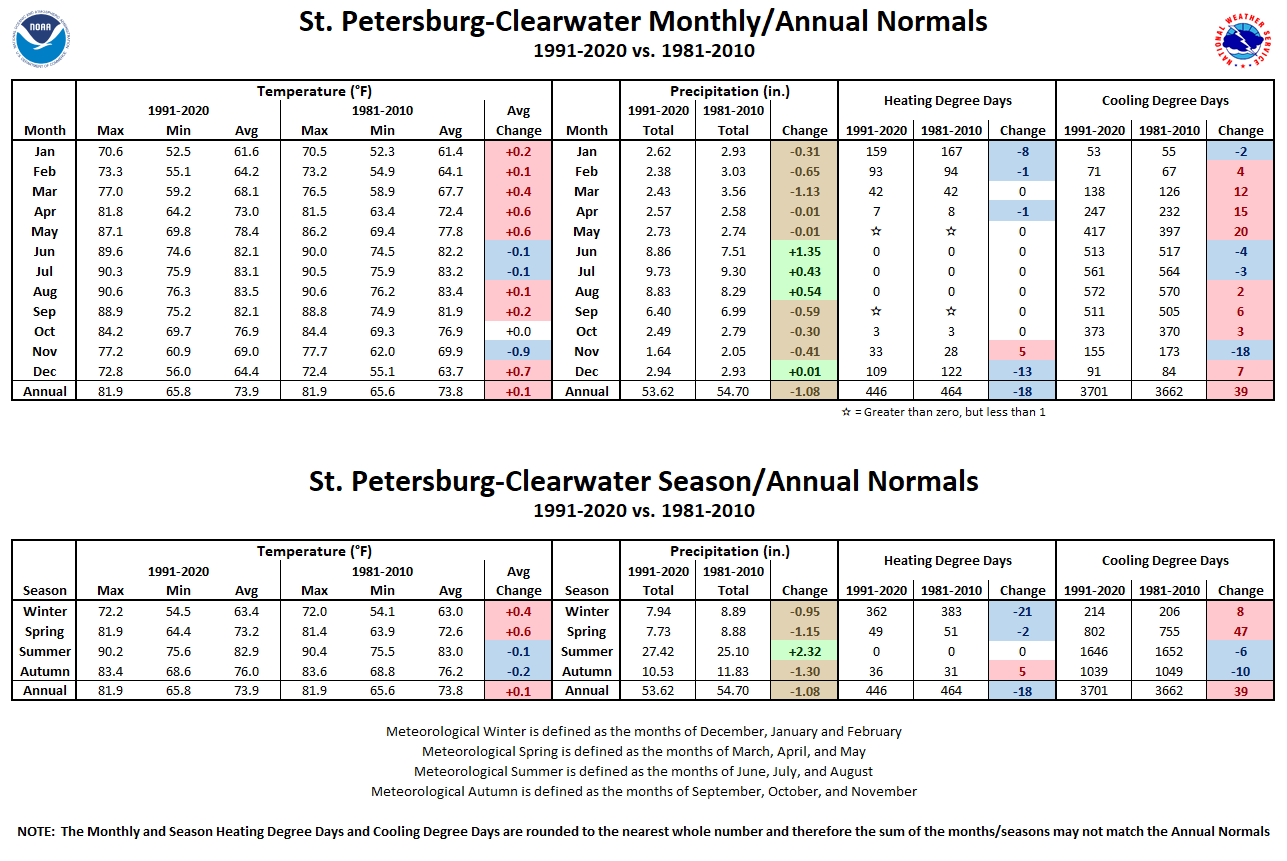
Designing outdoor living spaces for South Pinellas homes starts with understanding what the space has to handle. According to National Weather Service climate normals for St. Petersburg-Clearwater, the area averages 73.9°F annually and gets 53.62 inches of rain per year, with average summer highs around 90°F from June through August.
That means a beautiful outdoor setup is not just about furniture and finishes. It needs to feel usable during long, warm stretches of the year. It also needs to hold up through the local rainy season, which typically runs from late May to early October, during the same period as frequent thunderstorms and the Atlantic hurricane season.
Prioritize Shade and Airflow
In South Pinellas, shade is one of the most important design features you can add. The National Weather Service heat guidance notes that heat index values are measured in the shade and that direct sun can make it feel up to 15°F hotter.
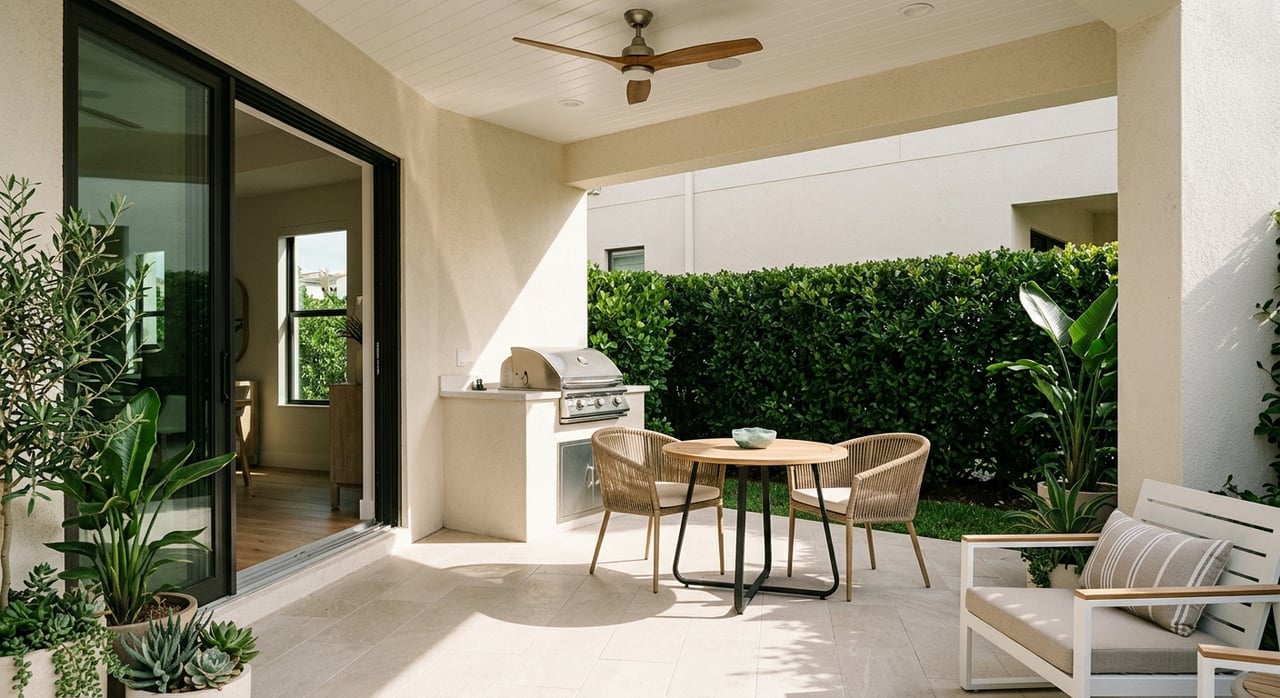
That is why covered seating areas, pergolas, and tree canopy often make a bigger difference than expanding an open patio. If you want a space you will actually use for coffee, dining, or relaxing, think about how the area feels at 2 p.m. in July, not just how it looks on a mild spring day.
A good layout also helps air move through the space. Open sightlines from doors to patios, breathable planting layers, and thoughtful furniture placement can help your outdoor area feel less closed in. Before making changes, UF/IFAS recommends a site analysis that looks at sun, shade, drainage, doors, walkways, windows, and vegetation worth keeping.
Make Small Lots Work Harder
Many South Pinellas properties have modest yards, attached outdoor areas, or low-maintenance footprints. Pinellas Extension notes that many local residents live on small lots, in condos, or in townhomes, which makes compact, multi-use outdoor rooms especially relevant.
That is good news if you are working with limited square footage. You do not need a huge yard to create an outdoor space that feels finished and functional. A small covered dining area, a tucked-away seating zone, or a simple paver surface with container accents can go a long way when the layout is intentional.
Instead of trying to fit every feature into one space, think in terms of zones. Even a small yard can often support:
- A shaded seating area
- A compact dining spot
- A circulation path that stays clear in wet weather
- Low-maintenance planting around the edges
Use Landscaping as Part of the Design
In South Pinellas, planting is not just decoration. It can help define rooms, soften hardscape, improve privacy, and make outdoor spaces easier to maintain.
UF/IFAS recommends choosing plants based on their mature size and avoiding overcrowding. It also suggests using groundcovers where turf is difficult to maintain, while reserving turf for spaces where it serves a clear function such as play area, erosion control, or nutrient uptake.
For many homes, that means less lawn for the sake of lawn and more purpose-driven planting. Layered landscaping can help create a cooler, more polished outdoor area without adding constant upkeep.
Choose Coastal-Friendly Plants
Because South Pinellas includes coastal and near-coastal areas, plant selection matters. UF/IFAS explains that Pinellas County is in USDA hardiness zone 10, with much of the west-coast coastal section in 10B and inland areas mostly in 10A. It also notes that plants within about one-eighth of a mile of saltwater should be at least somewhat salt tolerant.
If your home is near the Gulf, the Intracoastal, or Tampa Bay, salt spray and coastal exposure can influence what thrives. The UF/IFAS salt-tolerant plant guide includes options such as:
- Beach sunflower
- Gaillardia
- Seaside goldenrod
- Railroad vine
- Sea oats
- Muhly grass
- Live oak
- Southern red cedar
- Sabal palm
- Sea grape
- Cocoplum
- Firebush
- Necklace pod
- Saltbush
- Silver buttonwood
Even salt-tolerant landscapes need fresh water during establishment, so planning for irrigation or hand-watering early on still matters. The right plant mix can help your yard look better with less trial and error.
Preserve Trees When Possible
If your property already has healthy, well-placed trees, they may be one of your best outdoor-living assets. UF/IFAS site guidance recommends preserving existing trees where possible because canopy cover can help retain moisture and reduce stormwater runoff.
For everyday living, mature trees can also improve comfort by creating natural shade. That can make patios, decks, and walkways more usable during the hottest months. In many cases, designing around a good tree is smarter than removing it and trying to recreate shade later.
Plan for Rain and Storm Season
Outdoor design in South Pinellas should always include storm awareness. The region’s wet season brings frequent downpours, and hurricane season overlaps with the same time of year.
The UF/IFAS hurricane landscaping guidance recommends keeping gutters clear, using pavers in runoff-prone areas, and moving loose items such as patio furniture, hanging baskets, and container plants to shelter before a storm. These are practical reminders that outdoor spaces should be easy to secure, not filled with hard-to-manage pieces.
Drainage deserves attention too. If water collects near doors, low spots, or seating areas, that issue should be addressed before cosmetic upgrades. A more attractive patio will not solve a drainage problem by itself.
Think About Wind-Resistant Structure
Planting design can also support storm readiness. The same UF/IFAS hurricane resource highlights wind-resistant choices such as sabal palms, crape myrtle, gumbo limbo, live oak, and sea grape, while also recommending that larger trees be placed away from homes and utilities.
For many properties, a layered approach works well. You might use a salt-tolerant outer edge, a mid-layer that adds shade or screening, and simpler low-maintenance planting closer to the house. That kind of structure can help an outdoor space feel more intentional while staying better suited to local conditions.
Check Permits Before Major Changes
If your project includes more than décor and landscaping, make sure you understand local rules early. According to Pinellas County building permit guidance, projects that change structural, electrical, plumbing, or mechanical systems generally require permits.
That is especially important if you are adding features like a roof extension, outdoor kitchen utilities, lighting, fans, or drainage-related improvements. The county also notes that properties in flood zones may be subject to special building regulations and substantial-improvement rules. A little upfront planning can save time, cost, and stress later.
Focus on Year-Round Usability
The best outdoor living spaces in South Pinellas are not always the biggest or most expensive. They are the ones that feel comfortable, easy to maintain, and ready for the way people actually live here.
In practical terms, that often means:
- More shade and less full-sun exposure
- Clear paths and defined seating zones
- Plant choices that fit coastal and zone 10 conditions
- Durable surfaces in wet or runoff-prone areas
- Fewer loose items before storm season
- Improvements planned with permits and flood-zone rules in mind
This kind of design can appeal to current homeowners and future buyers because it reflects how outdoor space is really used in the local market. It is less about adding square footage and more about making the space you already have feel livable for more of the year.
Why It Matters for Buyers and Sellers
If you are buying in South Pinellas, outdoor living should be part of how you evaluate a home. Look beyond staging and ask whether the yard or patio has enough shade, whether drainage looks manageable, and whether the landscaping matches the home’s location and maintenance needs.
If you are selling, thoughtful outdoor updates can help your property show better online and in person. Buyers often respond well to spaces that feel cool, protected, and easy to picture themselves using, especially in a climate where outdoor comfort depends on good planning.
Whether you are preparing to move, narrowing your home search, or thinking about improvements before listing, local context matters. If you want guidance on what buyers are noticing in Pinellas County homes and how outdoor features fit into the bigger picture, Michele Ranjbar can help you make a confident next move.
FAQs
What makes outdoor living spaces more comfortable in South Pinellas homes?
- Shade, airflow, drainage, and weather-aware layouts are key because South Pinellas has hot summers, high humidity, and a long rainy season.
What plants work well for coastal yards in South Pinellas?
- According to UF/IFAS, options such as sea grape, sabal palm, cocoplum, muhly grass, beach sunflower, and silver buttonwood are among the salt-tolerant choices that can suit coastal conditions.
What should homeowners know about storm prep for South Pinellas outdoor spaces?
- UF/IFAS recommends keeping gutters clear, using pavers in runoff-prone spots, and moving loose outdoor items like furniture and containers to shelter before a storm.
Do outdoor living upgrades in Pinellas County need permits?
- Projects involving structural, electrical, plumbing, or mechanical changes generally require permits, and homes in flood zones may have additional rules.
How should buyers evaluate outdoor space in South Pinellas homes?
- You should look at practical factors like shade, drainage, maintenance needs, storm readiness, and whether the layout feels usable through much of the year.