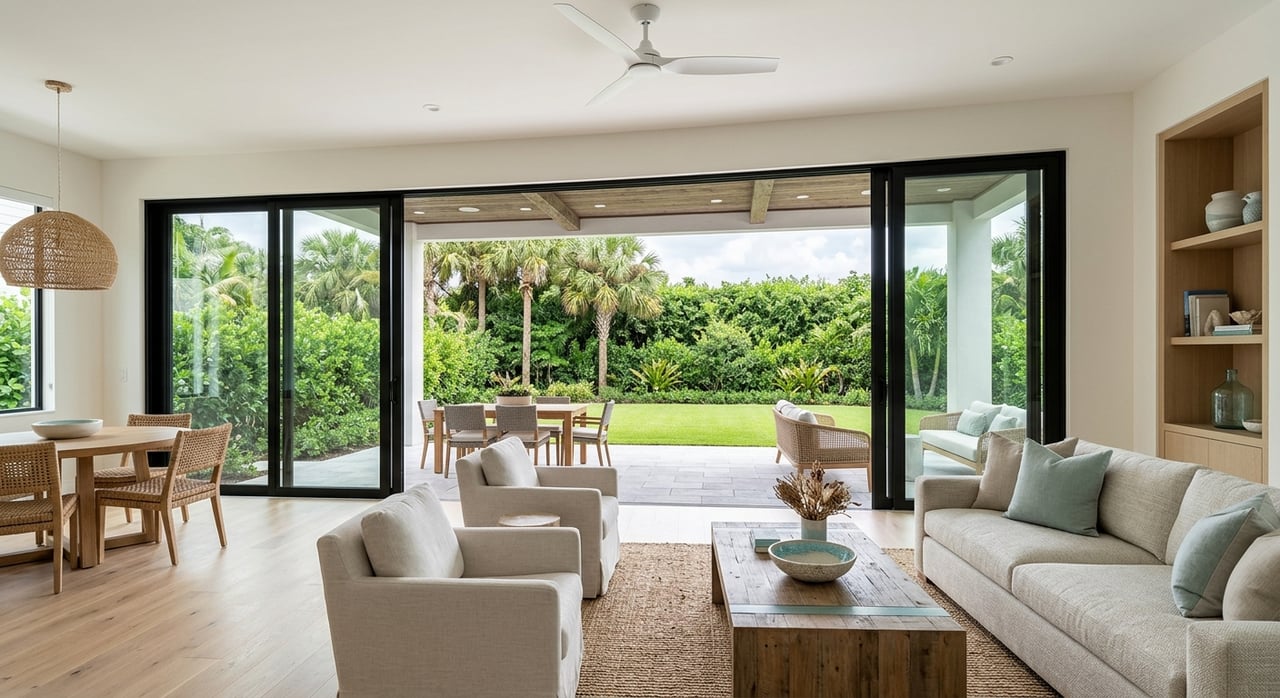
Buying your first home in New Tampa can feel exciting and overwhelming at the same time. You want to find the right place, stay on budget, and avoid surprises after closing. The good news is that when you break the process into clear steps, it becomes much easier to manage. This guide walks you through what to expect, what to budget for, and what to watch for in New Tampa before you make your move. Let’s dive in.
Understand New Tampa First
New Tampa is not just one neighborhood with one set of costs or rules. According to the City of Tampa Police District 2 information, areas such as Tampa Palms and Hunters Green are often referred to as New Tampa, and many homes are part of planned communities.
That matters because your monthly housing cost may include more than your mortgage payment. In some communities, you may have HOA dues, CDD assessments, or both. For example, West Meadows notes that its villages can differ by architecture, legal structure, budget structure, and whether they are gated, while Tampa Palms is known for multiple villages with layered community structures.
Before you fall in love with a home, make sure you understand the exact village or community it belongs to. In New Tampa, affordability is about the home price plus taxes, insurance, HOA dues, and possible CDD charges.
Step 1: Get Financially Ready
Before you start touring homes, take a close look at your full budget. The Consumer Financial Protection Bureau says closing costs typically run about 2% to 5% of the purchase price, not including your down payment.
In New Tampa, you should also budget for homeowners insurance, possible flood insurance, and any community fees. FEMA says flood insurance is a separate policy, and most homeowners policies do not cover flood damage. Even in inland areas, flood risk should be part of your planning.
A smart starter budget should include:
- Down payment
- Estimated closing costs
- Homeowners insurance
- Possible flood insurance
- HOA dues
- CDD assessments, if applicable
- Moving expenses
- Emergency savings for repairs or maintenance
If you are trying to keep your monthly payment comfortable, this step is where you protect yourself. A lower-priced home with high dues or insurance may cost more each month than a slightly higher-priced home with fewer added charges.
Step 2: Explore Buyer Education and Assistance
If you are a first-time buyer, local education programs can help you prepare. The City of Tampa Housing and Community Development team offers pre-purchase counseling, budget preparation tools, credit evaluation, mortgage product discussions, down-payment-assistance guidance, home-inspection information, and fair-housing information.
The city also offers an eight-hour homebuyer education class that covers readiness to buy, money management, credit, mortgage loans, shopping, and protecting your investment. The city says the certificate is valid for two years and can be used for available down-payment-assistance programs.
You may also want to review assistance options that apply within Tampa or Hillsborough County. Based on the City of Tampa New Tampa resources page, the city’s DARE to Own the Dream program may help income-eligible first-time buyers purchasing within city limits with up to $40,000. Hillsborough County HFA also offers down-payment-assistance options through a 0% second mortgage, and Florida Housing has statewide programs that may help with down payment and closing costs.
Step 3: Get Preapproved
Once you are serious about buying, your next move is mortgage preapproval. The CFPB’s preapproval guide explains that a preapproval letter is tentative, not a guaranteed loan offer, but sellers often want to see it before accepting an offer.
Preapproval letters also often expire in 30 to 60 days. That means timing matters. If you get preapproved too early, you may need to refresh it before you are ready to make an offer.
As you compare lenders, remember this key step: once you apply with the required information on a specific property, lenders must provide a Loan Estimate within three business days. Comparing multiple Loan Estimates can help you spot differences in rates and lender fees.
Step 4: Search With New Tampa Costs in Mind
This is where local knowledge really matters. In many New Tampa communities, the home itself is only part of the picture. You should ask every time:
- Is there an HOA?
- Is there a CDD assessment?
- Are both charged?
- What do the fees cover?
- Are there community rules that affect how you plan to use the property?
That extra homework can save you from surprises later. The Tampa Palms Open Space and Transportation CDD notes that it levies a non-ad valorem assessment rather than a standard tax, which is one reason buyers should look closely at the property’s full monthly and annual cost.
If you are considering new construction, keep your options open. The CFPB’s home search guidance says builders may ask for an upfront builder deposit, but you do not have to use the builder’s affiliated lender. The same guidance recommends making your offer contingent on financing and a satisfactory inspection.
Step 5: Make a Smart Offer
When you find the right home, your offer should balance price, timing, and protection. For a first-time buyer, contingencies are especially important because they can reduce your risk if financing or property condition becomes an issue.
According to the CFPB, a financing contingency and a satisfactory-inspection contingency can be valuable protections. If serious issues come up, these terms may give you room to renegotiate or cancel under the contract terms.
This is also the time to double-check community documents. In New Tampa, you are not just buying a house or townhome. You may also be buying into a specific fee structure, village setup, and set of community rules.
Step 6: Schedule Inspection and Review Flood Risk
As soon as you are under contract, move quickly on due diligence. The CFPB inspection guide says you should schedule an independent home inspection as soon as possible and attend if you can.
An inspection is not the same as an appraisal. The appraisal helps the lender estimate value. The inspection helps you understand the property’s condition. The CFPB notes that a satisfactory-inspection contingency can allow renegotiation or cancellation if major issues are found.
Fannie Mae’s inspection guidance highlights common focus areas such as:
- Roof
- Foundation
- Plumbing
- Electrical systems
- HVAC
- Insulation and ventilation
- Major appliances
You should also check flood risk early. FEMA’s Flood Map Service Center is the official place to review flood hazard maps. FEMA also notes that floods can happen almost anywhere, including from heavy rain, poor drainage, and nearby construction.
Step 7: Get Insurance Quotes Before You Commit
Insurance can affect affordability more than many first-time buyers expect. The CFPB suggests getting an informal insurance estimate before you fully commit to a property that may have higher insurance costs.
That advice is especially useful in New Tampa, where planned communities may include ponds, drainage features, or stormwater systems that raise important insurance and maintenance questions. Getting quotes early helps you avoid discovering a higher-than-expected monthly payment late in the transaction.
If the home is in a high-risk flood zone and you are using a government-backed loan, FEMA says flood insurance is required. Even outside high-risk zones, it is worth understanding your options because standard homeowners insurance usually does not cover flood damage.
Step 8: Prepare for Closing
Once your loan is moving forward, keep a close eye on your paperwork. The CFPB’s closing guidance says you must receive your Closing Disclosure at least three business days before closing.
Use that time to compare your Closing Disclosure with your Loan Estimate. Review your cash to close, title charges, and homeowners insurance details. If something looks different than expected, ask questions right away.
The CFPB also warns buyers about wire-fraud scams involving down payment and closing funds. Always verify wire instructions carefully before sending money. As a general planning benchmark, CFPB data found a median of 44 days from application to closing, so many buyers can expect about 30 to 60 days from contract to close.
Step 9: Plan for Taxes After Closing
Your costs do not stop changing once you get the keys. If the home will be your primary residence, you should review homestead deadlines right away.
The Hillsborough County Property Appraiser says ownership and residency must be established as of January 1, and the statutory filing deadline is March 1. The office also explains that the Save Our Homes cap limits annual assessment growth on homesteaded property to 3% or CPI, whichever is less.
There is one detail many first-time buyers miss. When a home changes hands, the seller’s capped value does not carry over to you. That means your future property tax bill can be higher than the seller’s current bill suggests.
A Simple New Tampa Buying Checklist
If you want a clear path forward, use this step-by-step checklist:
- Review your budget, including dues, taxes, and insurance.
- Explore homebuyer education and down payment assistance.
- Get preapproved when you are ready to shop.
- Search homes with HOA and CDD costs in mind.
- Make an offer with smart contingencies.
- Schedule an independent inspection quickly.
- Check flood maps and get insurance quotes.
- Review your Closing Disclosure carefully.
- Track homestead deadlines after closing.
Final Thoughts for First-Time Buyers
Buying your first home in New Tampa is not just about finding a home you like. It is about understanding the full cost of ownership in a market shaped by master-planned communities, layered fees, insurance questions, and property tax changes after a sale.
When you take it one step at a time, the process becomes much more manageable. If you want a calm, informed guide as you explore your options in the Tampa Bay area, Michele Ranjbar is here to help you move forward with confidence.
FAQs
What makes first-time home buying in New Tampa different from other areas?
- New Tampa includes many planned communities, so you should look beyond the home price and review HOA dues, CDD assessments, insurance costs, and tax implications before buying.
How much should first-time buyers budget for closing costs in New Tampa?
- The CFPB says closing costs typically range from 2% to 5% of the purchase price, not including your down payment.
Are there first-time home buyer assistance programs available in Tampa?
- Yes. The City of Tampa, Hillsborough County HFA, and Florida Housing all offer programs that may help eligible buyers with homebuyer education, down payment assistance, or closing costs.
Do first-time buyers in New Tampa need to check flood zones?
- Yes. FEMA says there is no such thing as a no-risk zone, and flood risk should be reviewed for any property using the official Flood Map Service Center.
When should first-time buyers in Hillsborough County apply for homestead exemption?
- If the home is your primary residence, ownership and residency must be established by January 1, and the statutory filing deadline is March 1.