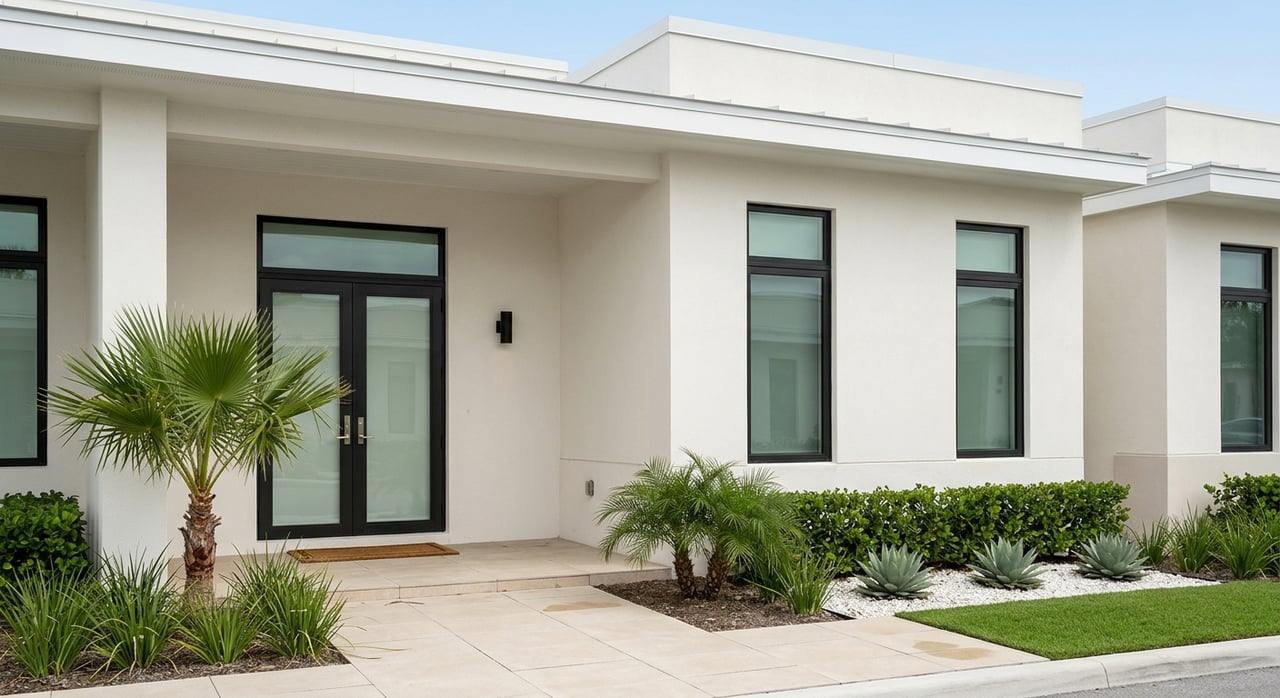
Looking for a home that gives you more time to enjoy Tampa Bay and less time worrying about yard work, exterior repairs, and weekend maintenance? If that sounds like your goal, New Tampa townhomes and villas are worth a closer look. In this guide, you’ll learn how low-maintenance living works in New Tampa, what these homes typically offer, and what to review before you buy. Let’s dive in.
Why New Tampa Appeals to Low-Maintenance Buyers
New Tampa is a local term often used for the Tampa Palms and Hunters Green area, according to Tampa Police District 2. The broader area includes well-known planned communities with a mix of housing types, shared amenities, and commuter-friendly access to major destinations.
Tampa Palms, for example, is described by the City of Tampa as a 5,400-acre planned community with 28 villages that range from estates to townhomes and apartment homes. The city also notes private parks, a junior-Olympic pool, and convenient access to USF, Moffitt Cancer Center, and James A. Haley VA Center.
Other New Tampa-area communities reinforce that lifestyle focus. West Meadows includes a recreation complex and neighborhood-wide fiber-optic cable, while Live Oak Preserve highlights amenities like a large pool, jacuzzi, tennis courts, fitness room, children’s water play area, playground, and meeting spaces.
For many buyers, that is the real draw. You are not just choosing a home style. You are choosing a setup that can make day-to-day living feel simpler and more predictable.
What New Tampa Townhomes Usually Offer
In New Tampa, current townhome listings commonly fall in the 2 to 3 bedroom range and span roughly 1,054 to 2,071 square feet. Many include 2.5 baths, screened lanais or patios, attached garages or assigned parking, and access to amenities such as pools, fitness centers, and clubhouses.
That size range can work well if you want enough room for guests, a home office, or seasonal living without taking on the upkeep of a larger detached home. Some communities also offer gated access, which can appeal to buyers who want a more contained neighborhood setup.
One active listing cited in the research report shows HOA dues of $266 per month. That does not mean every community has the same fee, but it does show the kind of monthly cost you may see in this segment.
What Villas in New Tampa Can Look Like
Villas offer another version of attached, low-maintenance living. In New Tampa, examples in current listings range from about 732 to 1,476 square feet with 1 to 3 bedrooms, and some include garages.
The biggest appeal is often what the monthly dues may cover. Some villa or condo-style communities explicitly include exterior maintenance, roof care, building insurance, landscaping, sewer, internet, trash, and community amenities.
Arbor Greene’s Villages of Devonshire is one clear villa example. Its HOA states that the community includes 37 buildings and 74 two- and three-bedroom villas, with its own HOA and design review board.
If you are comparing townhomes and villas, the monthly payment is only part of the story. You also want to understand what work and expense shifts away from you and onto the association.
Price Differences Matter
For many buyers, the path to low-maintenance living starts with price. Based on the research report, New Tampa townhomes had a median listing price of $294,000, while New Tampa’s median sale price across all home types was about $490,000 over the last three months ending in May 2026.
That gap helps explain why attached homes often attract first-time buyers, downsizers, and seasonal residents. If you want a lower entry point than many single-family homes, a townhome or villa may offer a practical option.
The broader Tampa market shows a similar pattern. Stellar MLS reported a 2025 first-quarter median price of $400,000 for single-family homes versus $282,000 for townhomes and condos, with more inventory in the attached-home segment.
More inventory can give you more choices, but it does not remove the need for careful review. Lower maintenance does not mean no maintenance. It usually means the responsibilities are shared and paid for differently.
Low-Maintenance Living Still Has Tradeoffs
A townhome or villa can reduce the number of home tasks on your personal to-do list. You may spend less time on exterior upkeep, landscaping, and roof-related concerns, depending on the community.
At the same time, you are usually trading direct control for shared rules and shared costs. Monthly dues, community standards, reserve funding, and the possibility of special assessments can all shape your ownership experience.
This does not make attached living better or worse than a single-family home. It simply means the lifestyle works best when the community structure matches your priorities and comfort level.
Why Ownership Type Matters in Florida
This is one of the most important points for New Tampa buyers. In Florida, the legal setup depends on the ownership structure, not just how the property looks from the outside.
Some townhomes are fee-simple properties governed by Chapter 720. Many condominium-style properties are governed by Chapter 718. Two homes may look similar, but your responsibilities, monthly costs, and document review process can be very different.
If you are buying in a fee-simple townhome community governed by Chapter 720, Florida law requires a disclosure summary before you sign the contract. If that summary is not delivered, a buyer generally has a short cancellation right before closing.
For condominium resales under Chapter 718, buyers should expect current condo documents, budget and financial statements, and association rules. Current condo contracts must also acknowledge milestone inspection or structural integrity reserve study status when applicable.
The takeaway is simple: do not assume that “villa” or “townhome” tells you everything you need to know. You want to confirm exactly what you are buying and what the association is responsible for.
Questions to Ask Before You Buy
When you tour New Tampa townhomes and villas, ask clear questions early. Good answers can help you compare communities with more confidence.
Here are a few of the most important ones:
- Is the property fee simple or a condominium?
- What do the monthly HOA or condo dues cover?
- Are exterior maintenance, roof, building insurance, and landscaping included?
- What amenities are available in the community?
- Are there community rules that affect parking, pets, leasing, or exterior changes?
- What financial documents and association records should you review?
These questions matter because two homes with similar prices can have very different long-term ownership costs. A lower purchase price does not always mean a lower overall monthly obligation.
Matching the Home to Your Lifestyle
Low-maintenance living is not one-size-fits-all. The right fit depends on how you plan to use the home and what kind of daily routine you want.
If you are a first-time buyer, a townhome may offer a more accessible way into the New Tampa market while still giving you private living space and useful amenities. If you are downsizing, a villa may feel easier to manage without giving up comfort.
If you are a seasonal resident or snowbird, a lock-and-leave setup can be especially appealing. Shared exterior care and community amenities may help simplify ownership when you are not in town year-round.
New Tampa Communities Add Lifestyle Value
In many cases, buyers are drawn to New Tampa because of the planned-community experience as much as the home itself. Pools, parks, clubhouses, fitness spaces, and recreation areas can add value to your routine without adding maintenance to your schedule.
For example, Tampa Palms offers a large planned-community setting with multiple villages and private recreational features. Palma Vista Townhomes describes itself as a small, gated, single-family townhome community on the southern end of Tampa Palms with access to Tampa Palms amenities.
That combination can be attractive if you want a home that feels manageable while still being connected to a broader neighborhood environment. It is often a practical middle ground between condo living and a detached house.
A Simple Way to Compare Options
If you are deciding between a single-family home, a townhome, or a villa, focus on these four areas:
- Purchase price: Attached homes may offer a lower entry point.
- Monthly costs: HOA or condo dues can vary and may cover major items.
- Maintenance duties: Review what stays on your list and what shifts to the association.
- Lifestyle fit: Think about amenities, flexibility, and how often you will use the home.
That approach can help you move past surface-level comparisons. Instead of asking only, “Which home is cheapest?” you can ask, “Which option fits my budget, schedule, and goals best?”
If you want help sorting through New Tampa townhomes, villas, and condos, working with a local agent who can explain the differences clearly can save you time and stress. When you’re ready to talk through your options in the Tampa Bay area, connect with Michele Ranjbar for thoughtful, personalized guidance.
FAQs
What is considered New Tampa in the Tampa area?
- New Tampa is commonly used locally to describe the Tampa Palms and Hunters Green area, according to Tampa Police District 2.
What do New Tampa townhomes usually include?
- Current listings commonly show 2 to 3 bedrooms, about 1,054 to 2,071 square feet, and features like screened lanais, garages or assigned parking, and shared amenities such as pools, fitness centers, and clubhouses.
What can HOA or condo dues cover in New Tampa villas?
- Depending on the community, dues may cover items like exterior maintenance, roof, building insurance, landscaping, sewer, internet, trash, and community amenities.
Why does ownership type matter for New Tampa villas and townhomes?
- In Florida, the legal structure depends on whether the property is fee simple or a condominium, and that affects the documents you review, the rules that apply, and your ownership responsibilities.
Are New Tampa townhomes usually less expensive than single-family homes?
- Based on the research report, New Tampa townhomes had a median listing price of $294,000, while New Tampa’s median sale price across all home types was about $490,000 over the last three months ending in May 2026.
Who might benefit most from low-maintenance living in New Tampa?
- Attached homes in New Tampa can appeal to first-time buyers, downsizers, and seasonal residents who want a lower-maintenance setup with shared amenities and less exterior upkeep.